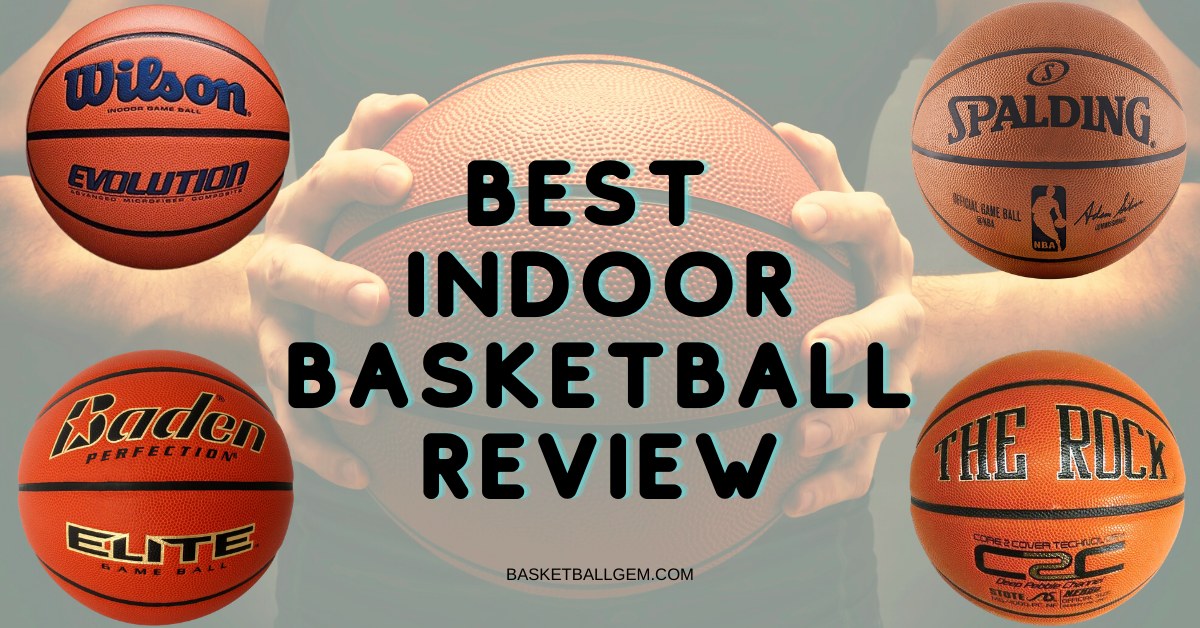
Wilson Evolution Basketball Review: Buy or Not in 2026?
The Wilson Evolution is one of the most trusted indoor game basketballs on the market, and for most players who practice or play indoors, it is a smart buy. It offers a soft microfiber composite cover, a cushioned core for consistent bounce, and grip that holds up well even with sweaty hands. The only real drawback is that it is not built for outdoor courts and it sits at a higher price point than basic rubber balls.
If you have been comparing options and searching for honest Wilson evolution game basketball reviews before spending your money, this guide walks through everything the ball does well, where it falls short, and how it stacks up against similar indoor balls from Wilson and other brands.
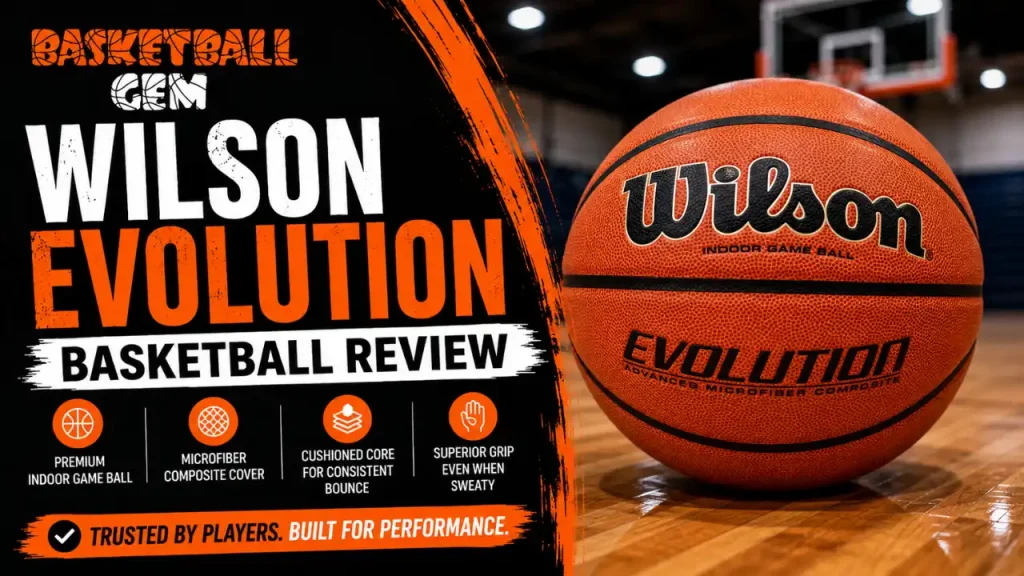
Wilson Evolution Basketball Review
The Wilson Evolution has earned its reputation as the number one selling indoor basketball in the United States, and it is the ball you will find in most high school gyms, YMCA courts, and college practice facilities. It uses a composite microfiber leather cover paired with what Wilson calls Cushion Core technology, a soft sponge like inner layer that gives the ball a plush feel without hurting bounce consistency.
It is also worth knowing the backstory here. Wilson has a long history with organized basketball, and the NBA officially brought Wilson back as its game ball manufacturer starting with the 2021 to 2022 season after nearly four decades with Spalding. That move raised Wilson’s profile across the sport, and the Evolution line benefits from the same brand trust, even though it is aimed at high school, college practice, and recreational play rather than the pro game.
Before we get into the details, if you are still building out your practice routine, our dunk calculator and field goal percentage calculator are handy tools to pair with whichever ball you end up choosing.
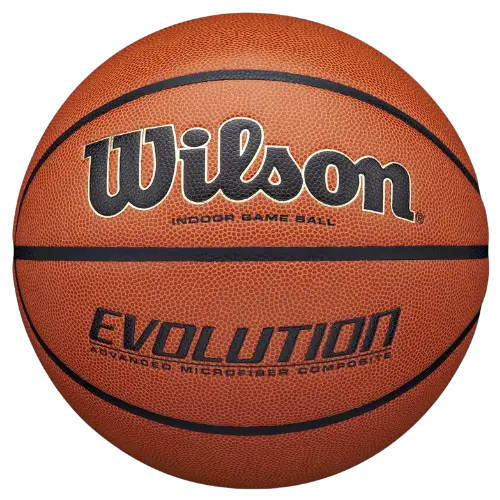
Key Features
Grip: How It Actually Feels in Your Hands
Grip is the single biggest reason players choose the Evolution over a cheaper rubber ball, and it is the feature most reviewers focus on first. The cover uses deep, embossed pebbling combined with wider composite channels, so your fingertips have somewhere to settle whether you are catching a pass, palming the ball, or gripping it for a jump shot.
What stands out most is how the ball performs when hands get sweaty. Many indoor balls turn slick the moment moisture builds up during a long practice session, but the composite cover on the Evolution is designed to wick moisture rather than trap it on the surface. That keeps your control consistent from the first possession of a pickup game to the last rep of a shooting workout, which matters if you are working on form using something like our Stephen Curry shooting form breakdown or logging makes for your own field goal percentage.
Right out of the box, the ball also needs almost no break in period. That is a real advantage over genuine leather balls, which can feel stiff and slick for the first several sessions before the cover softens up.
Bounce and Feel
Bounce consistency is where the Cushion Core technology earns its keep. The core blends a low density foam layer with a more durable rubber carcass, and the result is a ball that reacts predictably no matter where it strikes the floor. You will not notice dead spots or unpredictable kicks, which is exactly what you want when you are working on your handle or running through fast break drills.
The feel is softer than a standard rubber outdoor ball, closer to what you would expect from a premium leather ball, but with far less maintenance. If you have played a full length game with it, you will also notice it holds up well through four quarters without going soft, which matters for anyone tracking how long a basketball game runs and wants a ball that stays consistent the entire time.
Durability
The composite cover is genuinely tough for indoor use. Reviewers across major retailers consistently report that the ball keeps its texture and color well over a full season of regular play, and Wilson backs that durability claim with NFHS approval, which requires the ball to meet strict rebound and construction standards set by the National Federation of State High School Associations.
There is one important limit here though. This ball is built for hardwood and other smooth indoor surfaces. Take it outside onto asphalt or concrete even a handful of times and the cover will start to wear down noticeably faster than it would indoors. If you split time between the driveway and the gym, it is worth owning a separate outdoor or indoor and outdoor ball rather than putting extra wear on your Evolution.
Sizes and Weight
The Evolution comes in three standard sizes so players at almost any age or skill level can find the right fit.
|
Size |
Circumference |
Best For |
|
Youth |
27.5 inches |
Boys and girls under 8 |
|
Intermediate |
28.5 inches |
Boys 9 to 11, girls 9 and up |
|
Official |
29.5 inches |
Boys 12 and up, high school, and adult play |
For reference, the official size ball weighs approximately 22 to 23 ounces, which lines up closely with the official circumference standards used across the NBA, WNBA, and NCAA. That means it feels familiar in your hands whether you are playing a school game or working on your shot in your driveway.
Colors and Style
The Evolution ships in six different colorways, so teams and individual players can match school colors or simply pick a look they prefer. The construction and performance are identical across every color, so this comes down entirely to personal preference.
Price and Where to Buy
The Evolution sits in the mid to premium price range for indoor basketballs, generally landing somewhere between $60 and $100 depending on size, color, and where you buy it. That is more than you would pay for a basic rubber ball, but it reflects the composite leather cover and cushioned core construction. You can check current pricing directly on Wilson’s official product page, or compare it against other options in our complete best indoor basketball guide before you buy.
How It Compares to Other Indoor Basketballs
|
Ball |
Cover |
Best Use |
Approximate Price |
|
Wilson Evolution |
Microfiber composite leather |
High school, indoor league, practice |
$60 to $100 |
|
Wilson Evo NXT |
Microfiber composite leather |
College and elite competitive play |
$80 to $130 |
|
Spalding TF 1000 |
Composite leather |
Indoor league and club play |
$50 to $90 |
|
Baden Elite |
Composite leather |
Recreational and school use |
$40 to $70 |
The Evolution sits comfortably in the middle of this group. The Evo NXT is Wilson’s step up model built for college level competition and carries a higher price tag, while the Spalding TF 1000 and Baden Elite are reasonable alternatives if you want to spend less, though most players report the Evolution’s grip and cushioned feel as the more premium experience of the group.
Who Should Buy the Wilson Evolution
This ball makes the most sense for:
- High school players and teams that need an NFHS approved game ball
- Indoor league and pickup players who want reliable grip and bounce
- Anyone practicing shooting or ball handling drills who wants a consistent, game ready feel
- Coaches or programs buying multiple balls for indoor courts
It is probably not the right choice for players who mostly shoot around outdoors, since the cover was never designed for asphalt or concrete, or for anyone on a tight budget who just needs a basic ball for casual driveway games.
Pros and Cons
Pros
Cons
Final Verdict
The Wilson Evolution earns its reputation honestly. It grips well, bounces consistently, and holds up through a full season of indoor use, and it remains one of the safest picks for anyone who wants a game ready ball without a long break in period. If your play is mostly indoors, whether that is high school games, adult leagues, or dedicated shooting workouts, it is worth the higher price.
Just plan on a separate ball if you play outdoors regularly, since that is the one situation where the Evolution will not hold up as well. Before you head to checkout, take a lap through our Basketball Gem for more basketball gear reviews, drills, and calculators to help you get the most out of your next ball.