
Highest Vertical Jump in NBA History: Top 15 Players Ranked (2026 Updated)
Last Updated On: May 31, 2026
Who really has the highest vertical jump in NBA history and how do today’s high flyers compare to legends like Michael Jordan and Spud Webb? Vertical leap is one of the purest measures of basketball athleticism because it directly affects how high a player can get above the rim.
Michael Jordan holds the highest verified vertical jump in NBA history at 48 inches, a mark matched by only one other player, Darrell Griffith. Whether you are a lifelong basketball fan or just discovering the sport, the vertical leap is one of those jaw-dropping stats that puts the “wow” into every game. A player who can explode off the floor in a fraction of a second changes everything: dunks, blocks, rebounds, and the entire energy of an arena.
This guide covers every great leaper in NBA history, explains how vertical jumps are officially measured, spotlights the biggest names from the modern draft combine era, and answers the questions fans search for most.

What Is a Vertical Jump in Basketball?
A vertical jump measures how high a player can elevate off the ground from a flat surface. In the NBA, two types of measurements are used:
During the NBA Draft Combine, prospects are tested on both. The combine has been tracking these numbers officially since the early 2000s, which is why it is difficult to directly compare legends from earlier eras with modern players. For athletes like Jordan, Griffith, and Spud Webb, the numbers come from witnessed events, coach testimony, or unofficial testing rather than a standardized combine environment.
Why does a high vertical matter in basketball?
A great vertical leap allows a player to finish above shot-blockers, rebound in traffic over taller opponents, contest shots from guards and wings, and generate the kind of highlight plays that bring fans to their feet. If you want to understand whether you have the tools to dunk, check out our Dunk Calculator, it tells you exactly how high you need to jump based on your height.
Quick Reference: Highest Vertical Jump NBA History Rankings
Image
Player
Profile

1) Michael Jordan
- Vertical Leap: 48″
- Team: Chicago Bulls
- Position: Shooting Guard
- Height: 6’6″ (1.98 m)
- Dunk Contest Wins: 2 (1987, 1988)
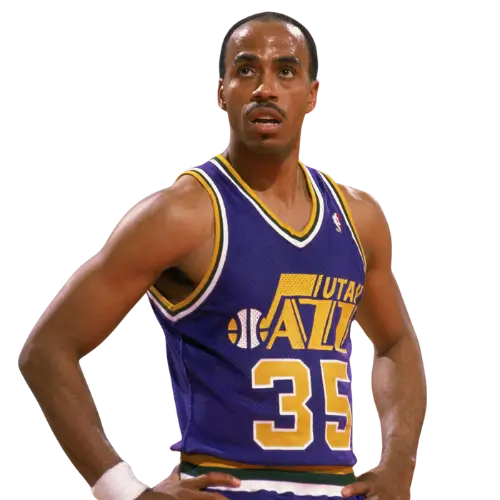
2) Darrell Griffith
- Vertical Leap: 48″
- Team: Utah Jazz
- Position: Shooting Guard
- Height: 6’4″ (1.94 m)
- Dunk Contest Wins: 0
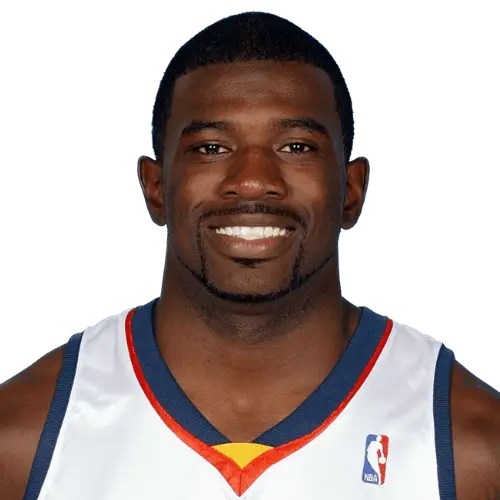
3) Jason Richardson
- Vertical Leap: 46.5″
- Team: Golden State Warriors
- Position: Shooting Guard
- Height: 6’6″ (1.98 m)
- Dunk Contest Wins: 2 (2002, 2003)

4) Anthony Spud Webb
- Vertical Leap: 46″
- Team: Atlanta Hawks
- Position: Point Guard
- Height: 5’7″ (1.68 m)
- Dunk Contest Wins: 1 (1986)

5) Nate Robinson
- Vertical Leap: 46″
- Team: New York Knicks
- Position: Point Guard
- Height: 5’9″ (1.75 m)
- Dunk Contest Wins: 3 (2006, 2009, 2010)

6) Zach LaVine
- Vertical Leap: 46″
- Team: Chicago Bulls
- Position: Guard
- Height: 6’5″ (1.96 m)
- Dunk Contest Wins: 2 (2015, 2016)
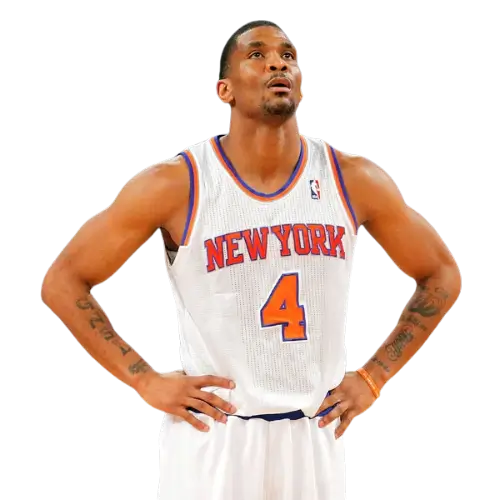
7) James White
- Vertical Leap: 46″
- Team: New York Knicks
- Position: Guard-Forward
- Height: 6’7″ (2.01 m)
- Dunk Contest Wins: 0 (NBA)
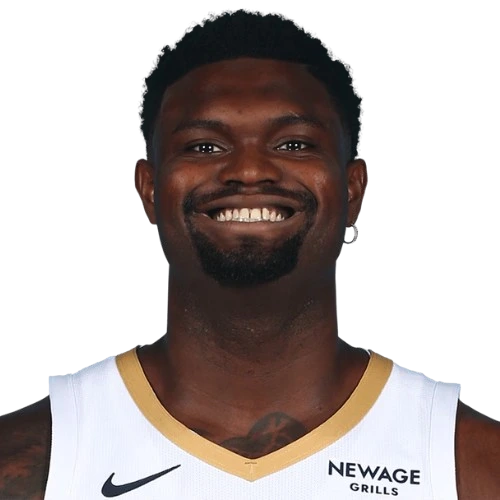
8) Zion Williamson
- Vertical Leap: 45″
- Team: New Orleans Pelicans
- Position: Forward
- Height: 6’6″ (1.98 m)
- Dunk Contest Wins: 0
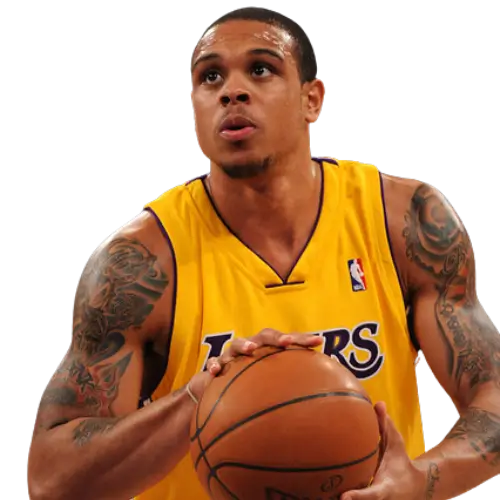
9) Shannon Brown
- Vertical Leap: 44.5″
- Team: Los Angeles Lakers
- Position: Shooting Guard
- Height: 6’3″ (1.91 m)
- Dunk Contest Wins: 0

10) Muggsy Bogues
- Vertical Leap: 44.3″
- Team: Charlotte Hornets
- Position: Point Guard
- Height: 5’3″ (1.60 m)
- Dunk Contest Wins: 0
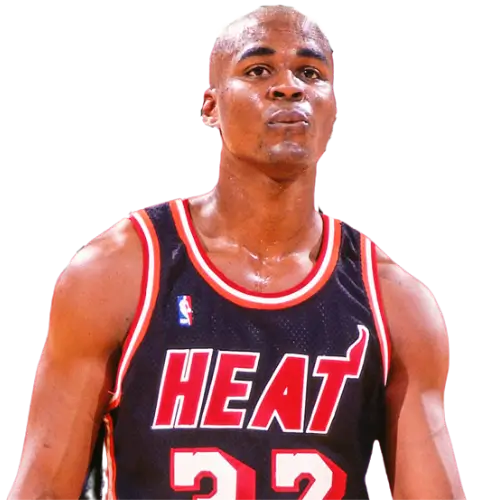
11) Harold Miner
- Vertical Leap: 44″
- Team: Miami Heat
- Position: Guard
- Height: 6’5″ (1.96 m)
- Dunk Contest Wins: 2 (1993, 1995)

12) Dee Brown
- Vertical Leap: 44″
- Team: Boston Celtics
- Position: Point Guard
- Height: 6’1″ (1.85 m)
- Dunk Contest Wins: 1 (1991)
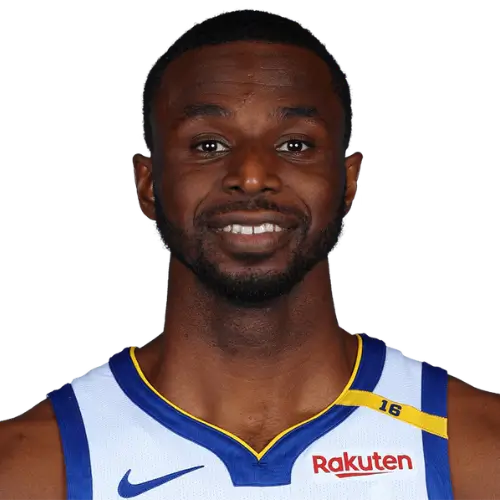
13) Andrew Wiggins
- Vertical Leap: 44″
- Team: Golden State Warriors
- Position: Forward
- Height: 6’7″ (2.01 m)
- Dunk Contest Wins: 0
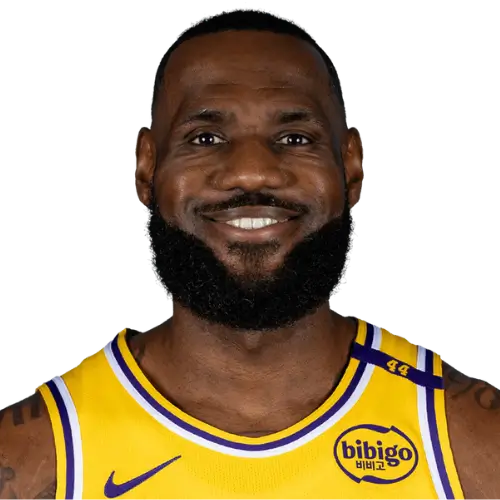
14) LeBron James
- Vertical Leap: 44″
- Team: Los Angeles Lakers
- Position: Forward
- Height: 6’9″ (2.05 m)
- Dunk Contest Wins: 0

15) Vince Carter
- Vertical Leap: 43″
- Team: Toronto Raptors
- Position: Guard-Forward
- Height: 6’6″ (1.98 m)
- Dunk Contest Wins: 1 (2000)
The Top 15 Highest Vertical Jumps in NBA History
1. Michael Jordan – (48 Inches)
There is a reason the world called him “Air Jordan.” Michael Jordan’s 48-inch vertical leap is the highest ever measured for an NBA player, confirmed by officials from the U.S. Olympic team during pre-tour testing in 1984.
With a hang time of approximately 0.92 seconds, Jordan appeared to float long after every other player had landed. Standing 6 feet 6 inches tall, Jordan’s 48-inch vertical placed his head more than four inches above the rim.
His free-throw line dunk during the 1988 NBA Slam Dunk Contest, where he won with a perfect score of 50, remains the most iconic display of vertical explosiveness in basketball history. Two inches taller than Darrell Griffith, Jordan’s leaping ability also translated into more rim clearance than his co-holder of the record.
Beyond the highlight reel, Jordan’s vertical was the foundation of a career that produced six NBA championships, five MVP awards, and the most celebrated athletic brand in sports history. His explosiveness was not just a party trick; it shaped how defenders planned and how opponents attacked.
Team: Chicago Bulls | Position: Shooting Guard | Height: 6’6″
2. Darrell Griffith – (48 Inches)
Ask most NBA fans about the highest vertical in history and they will say Michael Jordan. Ask Darrell Griffith’s teammates and coaches, and they will remind you that “Dr. Dunkenstein” matched that 48-inch mark before Jordan even entered the league.
Griffith, who starred at Louisville before joining the Utah Jazz as the second overall pick in 1980, could elevate his head four inches above the rim despite standing 6 feet 4 inches tall.
What makes Griffith’s achievement remarkable is that he accomplished it in an era before the Slam Dunk Contest had become a national spectacle, before social media could broadcast his highlights to a global audience, and before vertical testing was routine. He simply played and left onlookers speechless.
His 11-year career with the Jazz was productive enough to earn him a retired jersey in Salt Lake City, but it was the bounce — that effortless, spring-loaded liftoff — that teammates still talk about decades later. Most fans may not know his name, but among those who watched him play, Griffith is considered the equal of Jordan in the air, if not his superior.
Team: Utah Jazz | Position: Shooting Guard | Height: 6’4″
3. Jason Richardson – (46.5 Inches)
When the Golden State Warriors selected Jason Richardson with the fifth overall pick in the 2001 NBA Draft, his official combine vertical of 39.5 inches was underwhelming on paper. What followed was a complete rewriting of that story.
Richardson went on to win back-to-back Slam Dunk titles in 2002 and 2003, and during those contests his true vertical was clocked at 46.5 inches.
His 2003 performance, featuring a reverse 360 between-the-legs slam that drew gasps from the crowd, is widely regarded as one of the greatest individual Dunk Contest performances of all time. At 6 feet 6 inches, Richardson’s vertical gave him 4.5 inches of clearance above the rim, plenty of room for the kind of aerial acrobatics that made him a fan favorite.
His NBA career lasted until 2015 and included a Warriors record of 243 three-pointers in the 2007-08 season, a mark that stood until the Splash Brothers era. Injuries limited what could have been an even more spectacular career, but no one who watched his Dunk Contest years will forget what Richardson could do in the air.
Team: Golden State Warriors | Position: Shooting Guard | Height: 6’6″
4. Anthony Spud Webb – (46 Inches)
No story in basketball history better illustrates the idea that heart and explosiveness can overcome physical limitation than Spud Webb. At 5 feet 7 inches tall, Webb entered the 1986 Slam Dunk Contest as a curiosity.
What he delivered was a masterclass that stunned the entire NBA, including his own teammate and defending champion Dominique Wilkins.
Webb’s 46-inch vertical meant that when he left the floor, only five inches separated the top of his head from the rim. He threw down a series of creative, clean dunks that had the crowd and judges reaching for perfect scores, then outlasted Wilkins in a head-to-head final to win the title.
Notably, Webb is one of the few players in NBA history to dunk without palming the basketball, a testament to both his explosiveness and technique.
His professional career spanned over a decade, proving that his athleticism was no fluke. Webb’s Dunk Contest win remains one of the most celebrated upsets in All-Star Weekend history, and his vertical leap is still studied and discussed by coaches looking to understand what explosive training can do.
Team: Atlanta Hawks | Position: Point Guard | Height: 5’7″
5. Nate Robinson – (46 Inches)
If Spud Webb wrote the first chapter of the undersized leaper story, Nate Robinson wrote three sequels. Robinson, who stood 5 feet 9 inches tall, won the NBA Slam Dunk Contest in 2006, 2009, and 2010, making him the only three-time champion in the contest’s history.
His 46-inch vertical gave him the kind of air time that had audiences double-checking whether someone had secretly lowered the rim.
His 2009 performance, in which he dunked over Dwight Howard, a 6-foot-11 center who was actively attempting to block the shot, became one of the most replayed clips in Dunk Contest history. Robinson’s leaping ability allowed him to compete effectively as a point guard in a league where most players towered over him by half a foot or more, and his fearlessness in attacking the rim made him a crowd favorite everywhere he played.
Robinson played for nine different NBA teams across 11 seasons, and while consistency was never his hallmark, his ability to take flight on any given night kept fans watching. His three Dunk Contest victories are a record no one else in the competition’s history has matched.
Team: New York Knicks (among others) | Position: Point Guard | Height: 5’9″
6. Zach LaVine – (46 Inches)
When Zach LaVine entered the Slam Dunk Contest in 2015 as a relatively unknown rookie guard from the Minnesota Timberwolves, few expected what was about to happen. His 46-inch vertical and 6-foot-5 frame combined to produce the most technically flawless dunk performances the contest had seen in years.
LaVine won in 2015 and returned to win again in 2016, the second title coming in a historic tiebreaker against Aaron Gordon.
The two exchanged perfection round after round, with LaVine ultimately claiming the crown after multiple overtime rounds. His free-throw-line dunk, executed between the legs with the ball gathered below the knee, was a move most professionals simply cannot physically replicate.
Selected sixth overall in the 2014 NBA Draft, LaVine’s vertical was officially measured at 46 inches, though some combine reports from earlier testing sessions suggested he had hit 55 inches in informal settings. The 46-inch figure is the verified number.
LaVine has since developed into one of the premier scoring guards in the NBA, with his athleticism serving as the engine behind his ability to create and finish in traffic. To understand what proper footwear can do for jump performance, it is worth reading our guide on the best basketball shoes for traction.
Team: Chicago Bulls | Position: Guard | Height: 6’5″
7. James White – (46 Inches)
James White is the least-known name on this list, but his vertical measurement is as legitimate as anyone else’s. At 6 feet 7 inches tall with a 46-inch vertical, White had five inches of clearance above the rim, the kind of athleticism that would normally build a long NBA career.
The reality was more complicated. White’s professional path was winding: he was signed and waived by the Portland Trail Blazers, played six games with the San Antonio Spurs,
spent time in the NBA’s developmental league, and had his longest stretch of consistent NBA minutes with the New York Knicks in the 2012-13 season, appearing in 57 games. In between, he competed in Europe and won the Turkish Dunk Contest while playing for Fenerbahce.
White’s case is a reminder that vertical leaping ability, as spectacular as it is, is only one component of basketball success. His story is not a tragedy, he built a long career across multiple leagues and continents, but it shows that raw athleticism alone does not guarantee a prominent NBA role.
Team: New York Knicks | Position: Guard-Forward | Height: 6’7″
8. Zion Williamson – (45 Inches)
Zion Williamson entering the conversation about the highest vertical jumps in NBA history is a testament to what modern training and natural genetics can produce.
At 6 feet 6 inches and weighing approximately 284 pounds during his college career at Duke, Williamson’s 45-inch vertical defied every assumption about how weight and athleticism interact. Williamson is one of the heaviest players in NBA history to record a vertical in the mid-40s.
His explosiveness is not the graceful, floaty kind, it is violent, sudden, and overwhelming. He attacks the rim with the force of a player a foot taller, and defenders who try to take a charge against him have learned quickly why that is not a wise plan.
The New Orleans Pelicans selected him first overall in the 2019 NBA Draft, and despite injuries that have limited his availability, Williamson remains one of the most physically unique players the league has ever seen. His vertical puts him on par with dedicated leapers, but his size makes it something else entirely, a combination the NBA has simply never encountered before.
Team: New Orleans Pelicans | Position: Forward | Height: 6’6″
9. Shannon Brown – (44.5 Inches)
Shannon Brown was never the star of any team he played for, but in the moment, when he caught a pass in transition and had open air between himself and the basket, he could do things that made Kobe Bryant’s jaw drop. Literally.
Brown’s famous dunk against the Dallas Mavericks during his time with the Los Angeles Lakers visibly stunned Bryant, who watched in genuine disbelief from the bench.
Brown’s 44.5-inch vertical at 6 feet 3 inches gave him enough clearance to get his head above the rim, and he used it to deliver rim-rattling finishes throughout his career. He won two NBA championships alongside Bryant with the Lakers in 2010 and 2011, functioning as an energy player off the bench whose leaping ability served as a reliable offensive weapon when defenses crowded Bryant and Gasol.
Brown spent much of his post-Lakers career in the G-League, which limited his visibility, but his combination of athleticism and shot-making made him one of the more underappreciated reserve guards of the 2010s.
Team: Los Angeles Lakers | Position: Shooting Guard | Height: 6’3″
10. Muggsy Bogues – (44.3 Inches)
Muggsy Bogues stands 5 feet 3 inches tall, making him the shortest player in NBA history. He also has a vertical leap of 44.3 inches. Those two facts together produce something almost impossible to picture: a player whose vertical jump is nearly as tall as he is.
Bogues played 14 seasons in the NBA, a run that had nothing to do with coasting and everything to do with the kind of athleticism this list measures.
His 44.3-inch vertical gave him the leaping ability to compete against players more than a foot taller. He has claimed in multiple interviews that he could dunk with consistency in practice, though he never demonstrated it publicly in an NBA game.
His career included two seasons averaging double digits in assists, and he played alongside Manute Bol on the Washington Bullets, a partnership that represented the greatest height differential between two teammates in league history. Bogues is the living proof that vertical explosiveness is not about being tall. It is about what you do with what you have.
Team: Charlotte Hornets | Position: Point Guard | Height: 5’3″
11. Harold Miner – (44 Inches)
Harold Miner arrived in the NBA with a nickname that would have crushed most players before they played a single professional game: “Baby Jordan.” It was a label that followed him everywhere and created expectations no rookie could realistically meet.
What Miner did deliver was two Slam Dunk Contest championships in 1993 and 1995, showcasing a 44-inch vertical that placed his head just below the rim level at his peak elevation at 6 feet 5 inches.
His in-game athleticism was genuine, the Miami Heat selected him 12th overall in 1992 precisely because of what he showed at USC. The Jordan comparison ultimately made it difficult for him to be evaluated on his own terms, and his NBA career ended after just four seasons.
His Dunk Contest performances, reviewed now without the Jordan comparisons as context, hold up as genuine displays of creativity and athleticism. Miner deserves to be remembered for what he was, not for failing to be something no player in history has matched.
Team: Miami Heat | Position: Guard | Height: 6’5″
12. Dee Brown – (44 Inches)
Dee Brown won the 1991 Slam Dunk Contest in his rookie year with one of the most unusual dunks in competition history: a no-look jam in which he covered his face with his elbow and dunked with his left hand.
The internet has since recognized it as one of the earliest documented “dabs,” though Brown almost certainly was not thinking about cultural legacy when he jumped.
His 44-inch vertical at 6 feet 1 inch meant his head reached to within about three inches below the rim, impressive athleticism for a point guard. Brown spent eight seasons with the Boston Celtics after being selected 19th overall in the 1990 draft, contributing most effectively as a backup guard with defensive energy and the occasional explosive highlight. His Dunk Contest win remains the moment that defines his public memory, and it was fully deserved.
Team: Boston Celtics | Position: Point Guard | Height: 6’1″
13. Andrew Wiggins – (44 Inches)
Andrew Wiggins entered the NBA in 2014 as the first overall pick with an athletic profile that drew immediate comparisons to the all-time leaders on this list.
At 6 feet 7 inches with a 44-inch vertical, Wiggins has four inches of head clearance above the rim, a genuinely elite combination of height and leaping ability. His career trajectory took time to match his physical gifts.
After four seasons in Minnesota where he was a prolific scorer but inconsistent on both ends, Wiggins was traded to the Golden State Warriors in 2020. The change of environment transformed him. He developed into a credible wing defender, earned an All-Star selection in 2022, and contributed meaningfully to the Warriors’ championship run in the same season.
Wiggins’ vertical has never been showcased in a Slam Dunk Contest, which is a genuine loss for the event’s fans. His athleticism in games, the contested finishes, the chase-down blocks, the explosive first steps, reflects exactly the kind of player this measurement predicts.
Team: Golden State Warriors | Position: Forward | Height: 6’7″
14. LeBron James – (44 Inches)
LeBron James is not primarily remembered as a leaper, which speaks to how extraordinary the company on this list is. A 44-inch vertical leap at 6 feet 9 inches and approximately 250 pounds is a physical statement that almost no player in history has matched.
James clears the rim with four inches to spare while carrying a frame built more like a power forward than a jumping specialist.
What separates James from the pure leapers on this list is that his vertical is paired with strength, vision, and basketball IQ that turns athleticism into art. His chase-down blocks, explosive sprints culminating in a leap perfectly timed to swat a layup that everyone assumed was a guaranteed score, are among the most celebrated defensive plays in NBA history.
LeBron has won four NBA championships, four MVP awards, and the All-Time NBA scoring record. His vertical leap is just one instrument in an orchestra, but it is a very good one. To understand how footwear affects an athlete of his caliber, our breakdown of basketball shoes with ankle support covers what top players look for in a performance shoe.
Team: Los Angeles Lakers | Position: Forward | Height: 6’9″
15. Vince Carter – (43 Inches)
No list of NBA leapers is complete without Vince Carter. While his reported vertical of approximately 43 inches places him near the bottom of this particular ranking, the way Carter used his vertical leap is unmatched in NBA history.
He played 22 seasons, and his ability to take flight was evident on both his first career dunk and his last.
Carter’s most iconic moment came at the 2000 Sydney Olympics, when he dunked over 7-foot-2 French center Frédéric Weis with an elbow-in-the-rim jam that became known globally as “le dunk de la mort.” It was a play that transcended basketball and entered the broader conversation about what human beings can do when they combine athleticism with fearlessness.
He won the 2000 Slam Dunk Contest with a perfect score, delivering a performance so dominant that it prompted his cousin Tracy McGrady to decline to compete in the final round. Carter’s vertical was his passport to a career full of moments that went far beyond the statistics on his box scores. He retired in 2020 as one of the most beloved players in league history.
Team: Toronto Raptors (among others) | Position: Guard-Forward | Height: 6’6″
NBA Draft Combine: Modern Vertical Leap Records
The official era of measured vertical jumps for NBA prospects began with the NBA Draft Combine, which uses standardized equipment and documented conditions to record both standing and max vertical results. These numbers are far more reliable than the figures attached to pre-2000 legends, which come from a range of sources with varying degrees of verification.
According to NBA.com’s official combine tracking, the most notable verified combine records include:
The combined data also reveals an important distinction: the standing vertical and max vertical can differ by 6 to 10 inches for elite athletes. A player with a standing vertical of 38 inches may reach 46 or more with a running approach, which is part of why the numbers attached to historical players are often hard to interpret without knowing which measurement was used.
How Vertical Jumps Are Measured in the NBA
The NBA uses a device called a Vertec during the Draft Combine. A Vertec is a tall pole with horizontal prongs at set intervals that a player swipes as they jump. The height of the highest prong reached, minus the player’s standing reach, gives the vertical measurement.
For the standing vertical, the player begins stationary with both feet flat. For the max vertical, the player takes a one-to-two-step approach before jumping. Both measurements are taken from the same starting reach position. This is a standardized, reproducible test.
For players from earlier eras, no such standardization existed. Jordan’s 48 inches was documented during U.S. Olympic team testing in 1984, which involved its own protocols but was not the same controlled environment as today’s combine. Griffith’s 48 was measured at Louisville. These numbers are credible but come from different conditions, which is why direct comparison across eras requires a degree of caution.
How a High Vertical Affects Performance
A bigger vertical leap directly improves multiple aspects of a player’s game. On offense, it allows a player to finish over shot-blockers, attack the rim with greater confidence, and reach higher release points on jump shots. On defense, it enables taller contests, more frequent blocks, and better rebounding positioning against taller opponents.
Speed off the floor is equally important as peak height. Players who reach the same height but leave the ground faster are harder to defend because they create separation before the defender can react. This is why Jordan, LaVine, and Carter are often described as explosive rather than simply tall-jumping, the rate of acceleration from their standing positions was as remarkable as the height they reached.
Good footwear plays a measurable role in jump performance. Players who compete on hardwood floors need shoes that provide responsive cushioning and grip without adding deadweight. Our reviews of the best basketball shoes for wide feet and best indoor basketballs cover how equipment choices affect athleticism at every level of play.
Final Thoughts
The vertical jump is one of basketball’s most captivating measurements because it sits at the intersection of physics, training, and raw human potential. Michael Jordan and Darrell Griffith hold the record at 48 inches, but what makes this conversation endlessly interesting is the range of players who have found ways to fly, from the 5-foot-3 Muggsy Bogues defying every expectation to the 284-pound Zion Williamson redefining what power and explosiveness mean in the same body.
Whether you want to understand the legends of the past or track the high-flyers of the present, the vertical leap remains one of the most honest measurements basketball has. You either get up or you don’t. The players on this list most certainly did. If you want to know how you stack up, try our Dunk Calculator, it takes your height and tells you exactly how high you need to jump to reach the rim. You might be closer than you think.
Frequently Asked Questions
Who has the highest vertical jump in NBA history?
Michael Jordan holds the highest verified vertical jump in NBA history at 48 inches, matched only by Darrell Griffith. Jordan’s leap was documented during U.S. Olympic team testing in 1984, and his hang time of approximately 0.92 seconds made him appear to defy gravity during his professional career.
What is the highest official NBA Draft Combine vertical jump on record?
Keon Johnson set the highest officially recorded max vertical at the NBA Draft Combine with a 48-inch leap in 2021, matching Michael Jordan’s historical mark. DJ Stephens holds remarkable combine numbers as well, with a standing vertical above 46 inches and a running vertical exceeding 50 inches.
What is the average vertical jump for an NBA player?
The average vertical jump for an NBA player is approximately 28 inches. This means that the players on this list are leaping 16 to 20 inches higher than the league average, a gap that is athletically enormous.
Can NBA players dunk from the free-throw line?
Very few players in history have cleanly dunked from the regulation free-throw line, which sits 15 feet from the basket. Michael Jordan and Zach LaVine are the two most famous examples. It requires both a long stride and a massive vertical leap to cover the distance and still reach the rim.
What is Zion Williamson’s vertical jump?
Zion Williamson has recorded a vertical jump of approximately 45 inches, one of the highest ever measured for a player his size. At around 284 pounds during his college career, his explosiveness is widely considered one of the most unusual physical feats in basketball history.
What was Kobe Bryant’s vertical jump?
Kobe Bryant’s vertical jump was reported at approximately 38 inches, which is well above the NBA average and consistent with his ability to rise over defenders on mid-range jumpers and pull-up shots throughout his career.
Is a 50-inch vertical jump possible?
In basketball contexts, a 50-inch running vertical has been recorded by at least one combine participant, though these are extraordinarily rare. In open athletic competition, the world standing jump record belongs to Evan Ungar at 63.5 inches. For NBA players, 50 inches represents a theoretical ceiling that very few can approach.
What is Stephen Curry’s vertical jump?
Stephen Curry’s vertical jump is approximately 41 inches, above the NBA average but modest compared to the leapers on this list. His game is built on footwork, release speed, and accuracy rather than athleticism, which makes his career accomplishments all the more remarkable.
Who has the highest vertical jump in the NBA today?
Among active players, Zach LaVine (46 inches), Zion Williamson (45 inches), and Andrew Wiggins (44 inches) are the most widely cited for their vertical measurements. Several recent draft prospects from the 2024 and 2025 combines have also posted exceptional numbers as new talent continues to push the standards upward.
